Champagne Fairy Wine Encyclopedia
Champagne and cigar pairing: a collector's guide
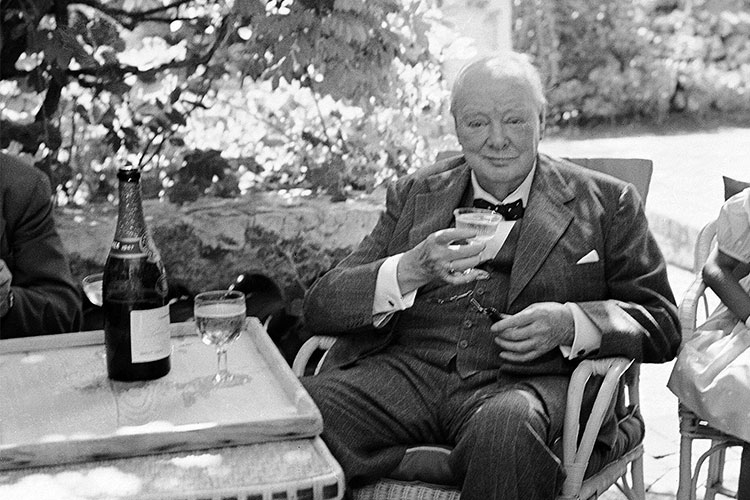
A great cigar and a great Champagne meet through texture, not force. The best pairing lets smoke, fruit, acidity, bubbles and cellar-aged savour develop together; it never asks one to erase the other.
See recommended Champagnes in the catalogUse the dosage compass
How Champagne and cigar pairing works
Cigar smoke is warm, dry and persistent. Champagne is cold, high in acidity and carries dissolved carbon dioxide. That apparent opposition is the point: bubbles lift fat and smoke from the palate, acidity resets it, and the wine's autolytic notes can echo tobacco's toast, coffee, nut, leather and brioche-like aromas. The pairing succeeds when the wine has enough body to stay present after a draw, but enough freshness that the next draw still tastes articulate.
Match weight with weight, then match aromas. Delicate cigars favour creamy mousse, citrus, almond and soft red fruit. Medium cigars welcome Pinot Noir, reserve-wine breadth, cocoa and warm spice. Mature or powerful cigars need vinous texture, bottle-age complexity and often a savoury, low-dosage finish. Avoid treating colour, prestige or price as a shortcut: a pale Blanc de Noirs can be more suitable than a famous Chardonnay cuvée if its texture is broader and its finish drier.
Refresh
Acidity and fine mousse clear smoke and oil, making the cigar's next aromatic phase easier to read.
Echo
Seek bridges: cedar with toast, cocoa with red fruit, almond with pastry, dried fruit with mature tobacco.
Protect balance
Do not let raw acidity, heavy oak, sweetness or pepper dominate. Serve chilled, not icy: about 9–11°C is a useful starting point.
Balance, intensity and persistence
A pairing can work by harmony — cedar with toast, for example — or by contrast, when bubbles and acidity refresh the palate. Read mouthfeel as well as aromas: sweetness, acidity, salt, bitterness, umami, creaminess, dryness and spice all matter.
Match persistence to persistence: a cigar with a long finish needs a Champagne with a long finish. Keep intensity moderate so nicotine, pepper, acidity or sweetness does not take over.
The pairing changes as the cigar burns
A cigar is not static. Choose one bottle with enough texture and balance to accompany the full smoke, not a pairing that works only in the first minute.
First third
Cream, cedar, almond and gentle tobacco sweetness.
Middle third
Cocoa, coffee, spice and structure become more prominent.
Final third
Bitterness, strength and nicotine can rise; Champagne with enough freshness and roundness keeps the balance.
Taste the same Champagne again in the middle and final thirds to reassess the pairing. Opening another bottle is not necessary; comparing two Champagnes side by side makes sense only when a group is sharing cigars and bottles. My Father, La Aroma de Cuba and Perdomo Nicaraguan cigars can range from medium to full, so judge the blend, vitola and stage of the smoke.
Ageing cigars and Champagne: two clocks, not one
A well-made cigar can change substantially in stable conditions: roughly 65–70% relative humidity, a steady cool temperature, darkness and airflow. Time usually softens aggressive pepper and ammonia-like edges while allowing cedar, tea, leather, cocoa, dried fruit and sweet tobacco to emerge. It is not a promise that every cigar improves indefinitely; blend, wrapper, vitola, construction and storage decide the result. Keep the cigar's age separate from the box date where that date is known.
Champagne has at least two relevant periods of development. First comes ageing on lees, before disgorgement. Yeast autolysis contributes bread, pastry, biscuit, hazelnut, cream and umami while preserving the sealed wine's tension. After disgorgement, the wine begins a different evolution: fruit may turn toward honey, dried citrus, tea, mushroom and truffle-like nuance, while the mousse and line can gradually soften. A very old bottle may be thrilling, but provenance and storage are decisive.
Vintage date
The harvest year. It tells you about the season and, for vintage Champagne, the base year of the wine. It is not the date the Champagne was released.
Disgorgement date
The date sediment was removed and final dosage was normally added. It helps explain how long the wine spent on lees and how long it has evolved afterwards.
For a collector pairing
Read vintage and disgorgement together, then ask about storage. An old vintage with a recent disgorgement can show mature material with remarkable tension; an earlier disgorgement can be more tertiary and gentle.
Dosage compass: should Champagne for cigars be sweet or dry?
There is no universal rule that cigar Champagne must be sweeter or must be zero dosage. Dosage is one control among acidity, phenolic grip, fruit ripeness, oak, lees age and serving temperature. The useful question is whether the finished wine feels balanced beside the cigar.
| Style | Typical total sugar | Best use with cigars | Watch for |
|---|---|---|---|
| Brut Nature / Zero Dosage | Under 3 g/L; no sugar added after secondary fermentation | Rich, mature or naturally sweet tobacco with earth, leather and dried fruit, when the cigar is not sharply peppery or bitter | Can make a young peppery cigar seem sharper if acidity is severe |
| Extra Brut | 0–6 g/L | The most versatile collector zone: dry finish, but enough roundness for cedar, cocoa, coffee and many fuller Nicaraguan profiles | Do not assume all Extra Brut wines feel austere; ripeness and lees age matter |
| Brut | Under 12 g/L | Mild to medium cigars, and fuller cigars whose cocoa, coffee or bitterness benefit from more roundness | A broad, sweet-fruited Brut can feel heavier with a full-strength cigar |
| Sec and sweeter | Above Brut | A specialist choice for a very dry, bitter-edged smoke or dessert context | Sweetness can make nicotine, ash and bitterness more obvious |
Our default: begin with Extra Brut or a balanced Brut for a first premium pairing. A fuller cigar does not automatically call for Brut Nature or Zero Dosage: a little roundness can balance cocoa, coffee and bitterness. Move toward lower dosage only when the particular cigar is mature, savoury and not aggressively peppery or bitter.
Aroma map: what to match
- Cream, almond, cedar
- Fine mousse, brioche, almond, citrus and modest dosage.
- Cocoa, coffee, baking spice
- Pinot Noir structure, red fruit, reserve wines and lightly oxidative notes.
- Leather, tea, dried fruit
- Long lees ageing, mature vintage material, old-vine Pinot Noir or Meunier, and a drier finish.
- Honeyed tobacco, dried orange, cedar
- Older Champagne with sound provenance; serve in a wider wine glass and give it time.
Cigar names here are profile references, not guarantees. A Davidoff, Hoyo de Monterrey, Montecristo, Cohiba or Partagas can taste different by production, vitola, box age and storage. Light one only after tasting the Champagne alone; take a small draw, sip, then wait. The best match often becomes clear in the second third, not in the first minute.
Champagne Fairy recommendations, grouped by cigar level and age
These are public-catalog recommendations. Within each group, bottles are ordered by the current guest-facing price; availability and price can change.
These groups are a starting point for cigar profile and stage of the smoke, not a dryness ranking: choose dosage by balance, texture and the cigar’s bitterness.
Delicate cigars or a shorter finish
Cigar reference: Try a Davidoff Grand Cru No. 5, Davidoff Signature 2000, or Hoyo de Monterrey Epicure No. 2 style: cream, cedar, almond and restrained spice.
Pairing principle: Choose freshness and red-fruit lift before sheer weight. These Champagnes refresh the palate without making a delicate cigar taste thin.
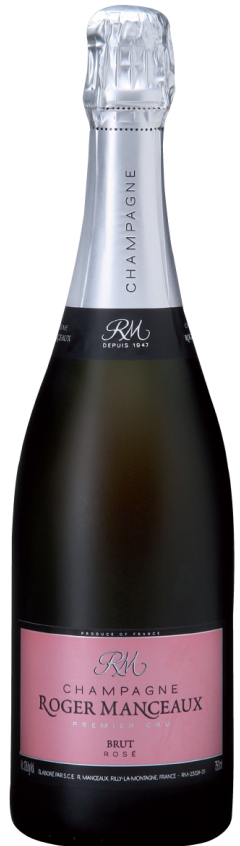 Roger Manceaux Brut Rose - 1er Cru₪175Rosé freshness and red fruit for cream-and-cedar cigars.
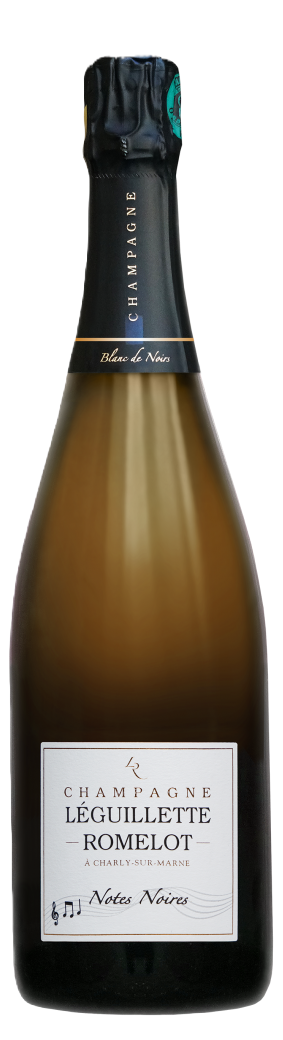 Leguillette Romelot Blanc de Noirs - Notre Noires₪220Notre Noires: Meunier-led Blanc de Noirs with pastry, orange, quince and saline lift.
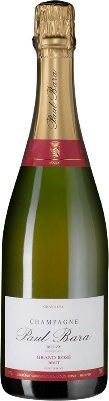 Paul Bara Grand Rose de Bouzy₪240Bouzy Pinot Noir rosé: red fruit and chalk for a mild cigar that wants more shape.
Medium body: cream, sweet spice, cocoa and cedar
Cigar reference: A Montecristo No. 2 or Cohiba Siglo VI profile brings cedar, cocoa, coffee, honeyed tobacco and a little more spice. Selected Perdomo or La Aroma de Cuba vitolas can sit here too.
Pairing principle: Move toward Pinot Noir structure and reserve-wine depth. Extra Brut or a balanced Brut can supply the roundness needed for cocoa, coffee and the cigar mid-palate.
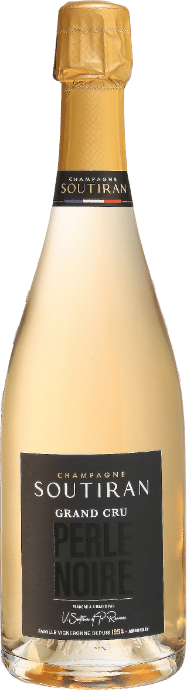 Soutiran Perle Noire - Blanc de Noirs - Grand Cru₪265Pinot Noir breadth with a measured Brut finish.
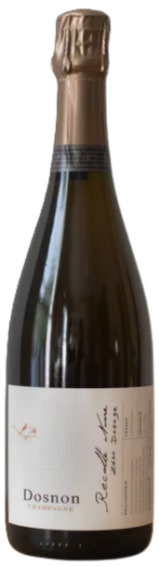 Dosnon Recolte Noire - Zero Dosage₪270Zero-dosage Pinot Noir, barrel texture and a dry, focused finish.
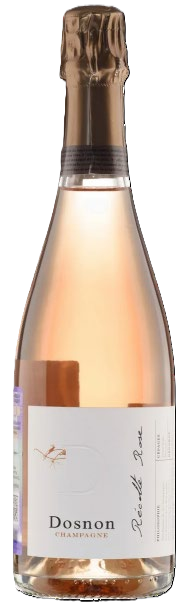 Dosnon Recolte Rose₪275Pinot Noir rosé with extra breadth but no sugary finish.
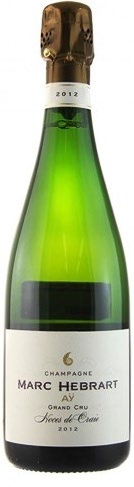 Marc Hebrart Noces de Craie - 2019 - Grand Cru - BdN₪330Pure Pinot Noir and chalky structure for cocoa and cedar.
Full body or a long finish
Cigar reference: For a Partagas Lusitanias, Montecristo 1935, a My Father profile, or an older, well-kept robusto, look for earth, leather, roasted coffee, dried fruit and deeper spice.
Pairing principle: This is the home of serious Pinot Noir, rosé de saignée and long lees ageing. Choose texture and evolved savour before deciding dosage: a little roundness can balance cocoa, coffee and bitterness.
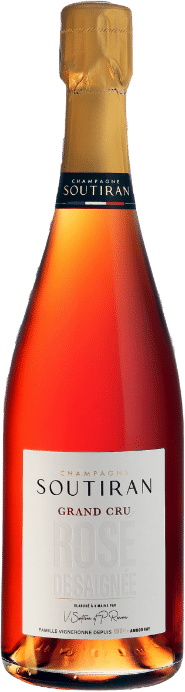 Soutiran Rosé de saignée - Grand Cru - 2008 - Pinot Noir₪3252008 rosé de saignée: mature Pinot Noir, long lees ageing and collector depth.
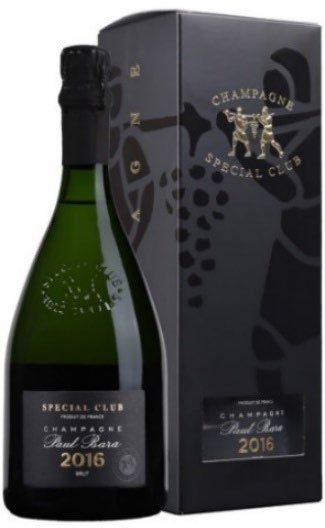 Paul Bara Special Club - 2016 - Grand Cru Bouzy₪390Bouzy structure and lees-derived savour for richer tobacco.
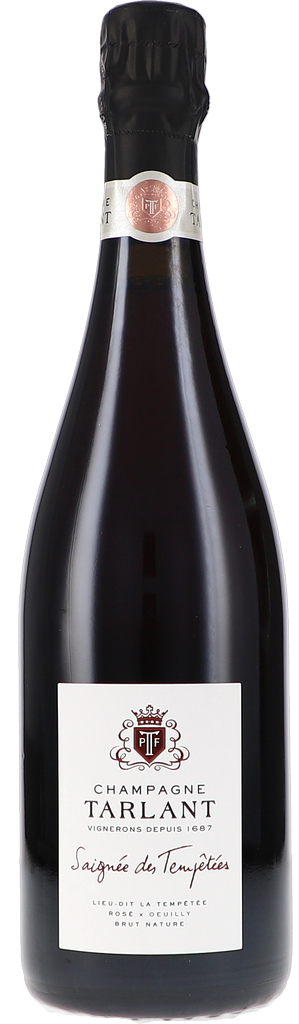 Tarlant Rose Saignée des Tempêtées - 2018₪390Pinot Noir rosé de saignée, zero dosage and deep red-fruit intensity.
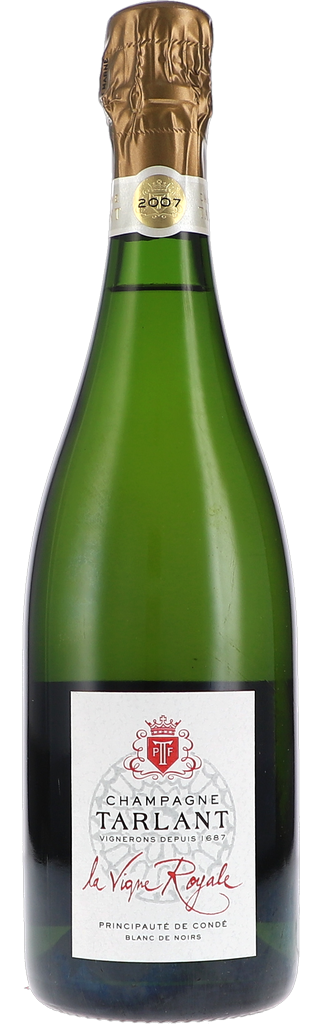 Tarlant La Vigne Royale - 2007₪4992007 Pinot Noir with dried cherry, cedar, tobacco and herb notes.
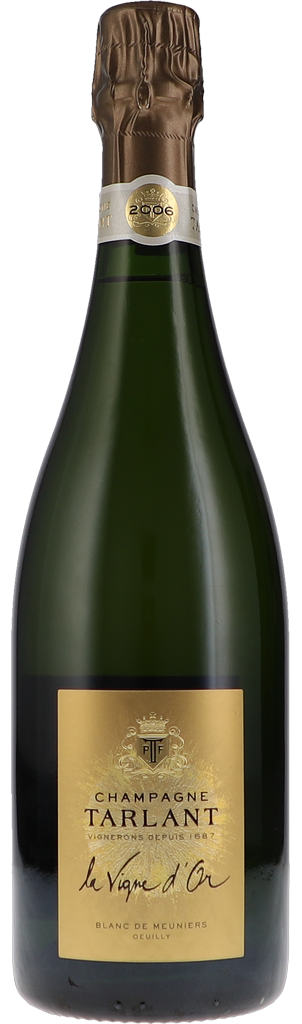 Tarlant Le Vigne D'Or - 2009₪599Old-vine Meunier, barrel work and zero dosage for earth and dried fruit.
Mature cigar or collector Champagne
Cigar reference: Use this table for a properly stored, mature Havana or similarly slow-burning cigar whose fresh pepper has softened into cedar, tea, leather and dried fruit.
Pairing principle: Age is context, not a strength rating. A mature Champagne can mirror tertiary notes of pastry, hazelnut, tobacco leaf, quince and savoury umami. Open gently, use a white-wine glass, and let both evolve.
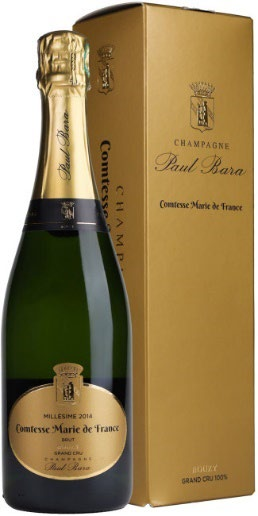 Paul Bara Comtesse Marie de France - 2015 Grand Cru Bouzy₪530100% Pinot Noir with long cellar ageing and a broad, vinous palate.
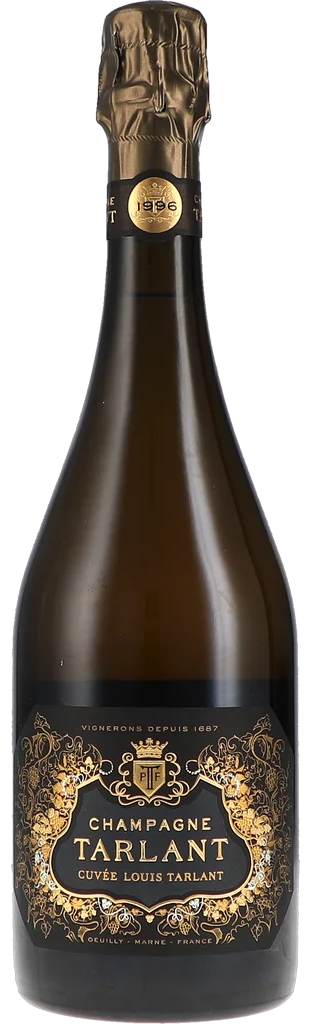 Tarlant Cuvee Louis Tarlant 1996₪7101996 collector Champagne: hazelnut, quince, pastry and tobacco-like complexity.
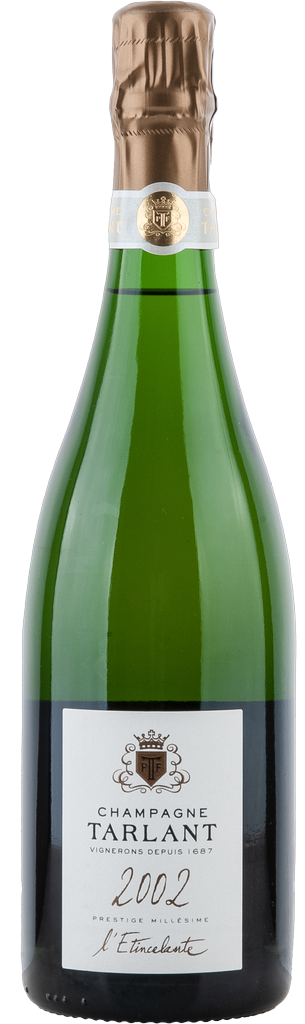 Tarlant L’Enticelante - 2002₪7402002 long lees ageing, zero dosage and mature savoury detail.
Cigar and Champagne pairing FAQ
Should Champagne for cigars be sweet or Brut Nature?
Usually neither extreme is automatically best. Start with balance: a dry, high-acid Brut Nature can sharpen a cigar that is already peppery, while a very sweet Champagne can make tobacco taste bitter or syrupy. For most premium cigars, Extra Brut to classic Brut gives the most reliable bridge. A fuller cigar does not automatically call for lower dosage: a touch of roundness can balance cocoa, coffee and bitterness. Choose lower dosage when the particular cigar is mature, savoury and not aggressively peppery or bitter.
Does vintage date or disgorgement date matter more with old Champagne?
They answer different questions. Vintage identifies the harvest year and its growing-season character. Disgorgement tells you when the bottle left its lees and began its post-disgorgement life. For an older bottle, read both where available: long lees ageing often builds pastry, toast and cream; a more recent disgorgement can retain tension and freshness. Storage history remains essential.
Can a rosé Champagne work with a cigar?
Yes. Pinot Noir-led rosé is especially useful when the cigar has cocoa, cedar, coffee, leather or dried-fruit notes. Rosé de saignée can be intensely vinous, so match it to medium or fuller cigars rather than a very delicate morning smoke.
Does the same Champagne suit the whole cigar?
Choose one bottle with enough texture and balance to accompany the full smoke. A cigar can begin creamy and gentle, then become more powerful, bitter and nicotine-driven in its later thirds; taste the Champagne again as the cigar develops, but do not treat this as a reason to open another bottle. Comparing two Champagnes side by side makes sense only when a group is sharing the cigars and bottles.
Further reading and method notes
This guide is editorial pairing advice, not a claim that a bottle or cigar is unchanged across every release. For Champagne production terms and dose thresholds, start with Comite Champagne; for cigar ageing and pairing, use specialist sources and your own storage record.